
Progress in democracy begins with meaningful questions.
Inspired by the spirit of Socratic inquiry, the Democracy Research Lab encourages thoughtful dialogue, constructive doubt, and critical reflection. Instead of accepting assumptions, it promotes asking questions that reveal deeper understanding and uncover the root causes of democratic challenges.
Socratic inquiry in democracy is not about winning arguments— it is about discovering truth through reasoned conversation and collective learning.
It encourages citizens to ask:
Every meaningful reform begins with the courage to ask the right question.
The strength of democracy cannot be measured solely by elections, institutions, or laws. It is measured by the quality of governance and the well-being of its people.
The Democracy Research Lab evaluates democracy through questions such as:
These measures help us understand not only how democracy functions but also how it can be strengthened.
Truth is the mother of all the following virtues in the functioning of the democracy.
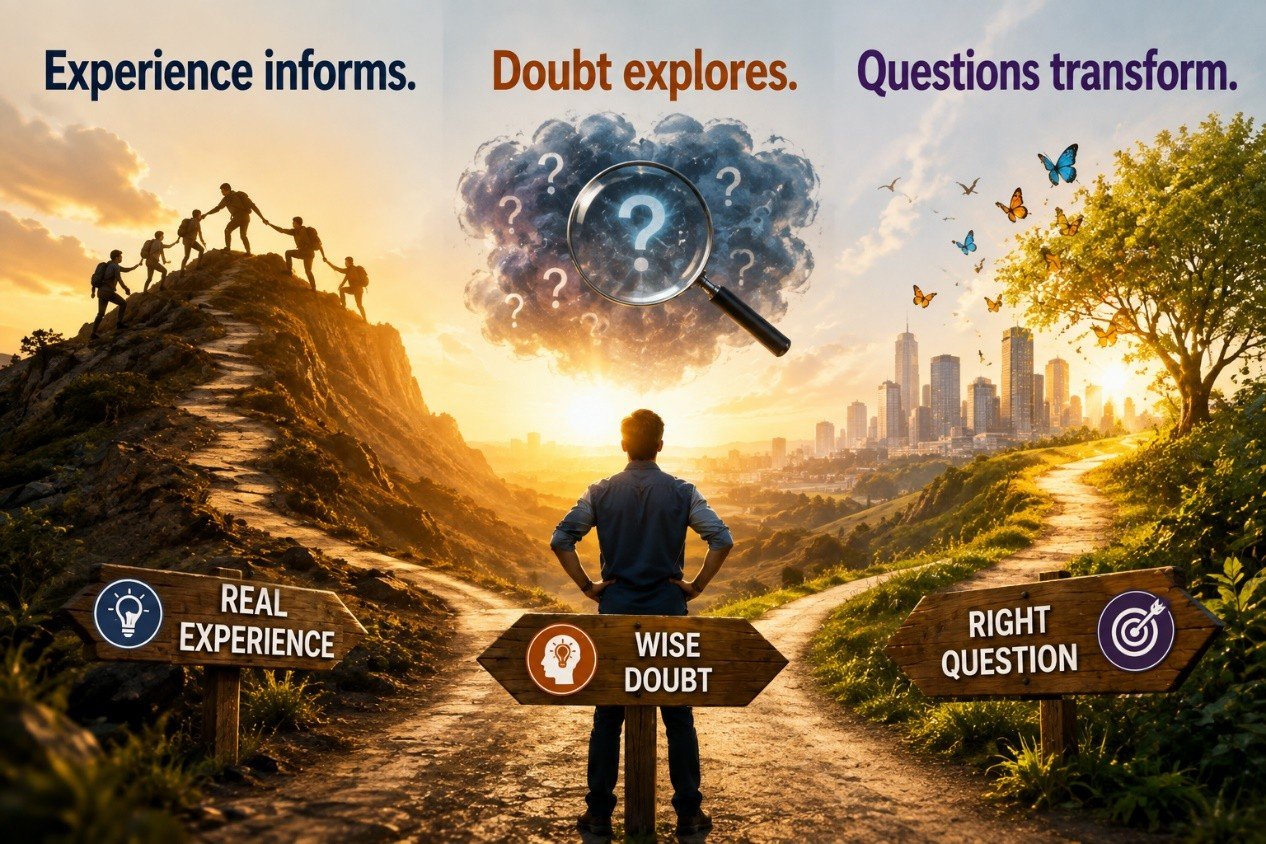
The Democracy Research Lab is built around three complementary research tools that help uncover truth and inspire democratic innovation.
Citizens are the primary consumer of democracy. Their experiences provide direct evidence of how democratic systems function in practice and where improvements are needed.
Wise doubt encourages participants to question assumptions, explore alternative perspectives, and discover truths that may otherwise remain hidden.
The right question challenges conventional thinking, uncovers root causes, and opens new pathways for democratic solutions.
Together, these tools transform experiences into evidence, evidence into knowledge, and knowledge into meaningful reform.
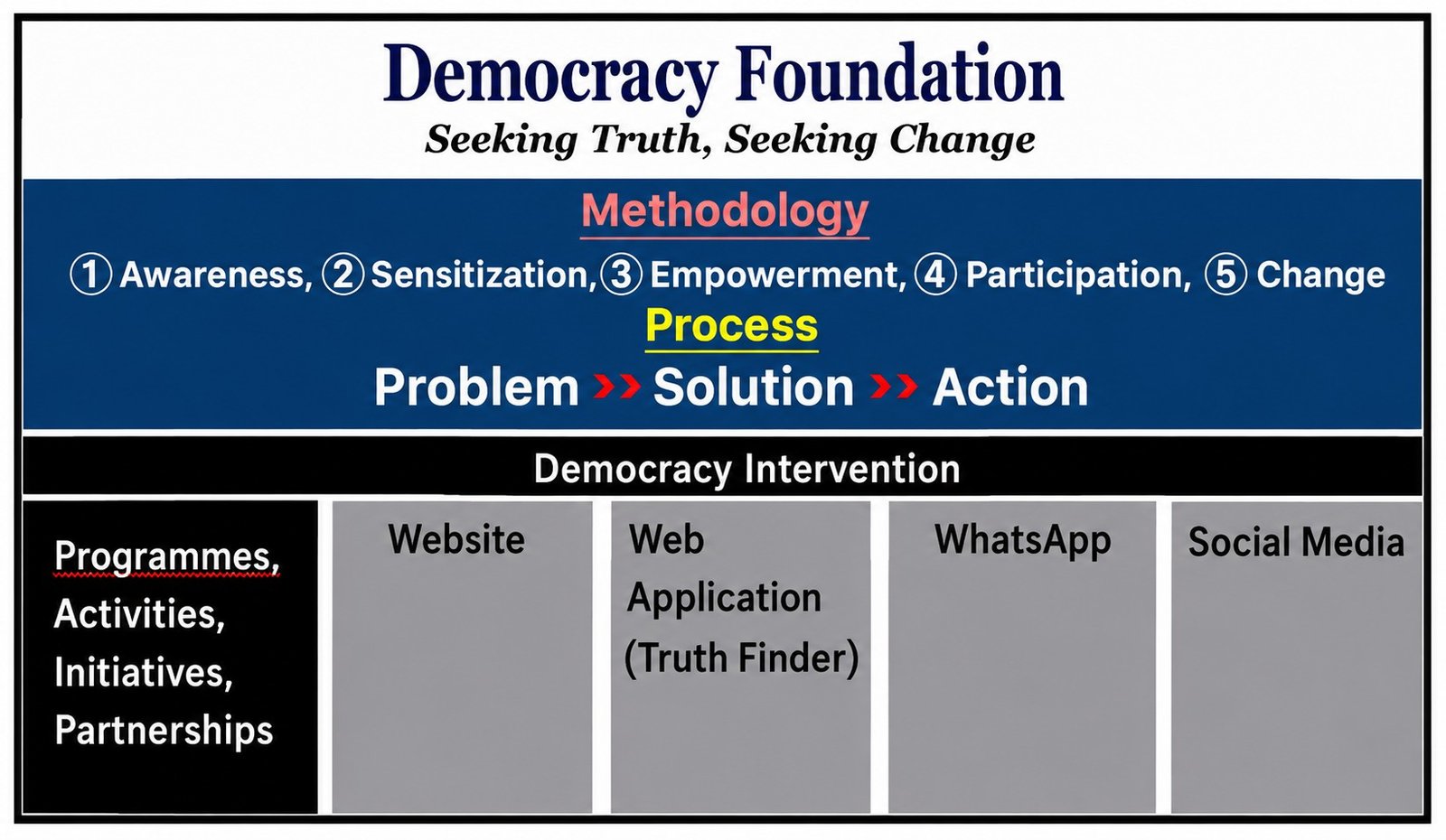
The Democracy Research Lab follows a structured methodology that converts public knowledge into democratic action.
Citizens share experiences and observations that reveal how democracy performs in practice. These insights help identify strengths, gaps, and opportunities for improvement.
Researchers, citizens, experts, and institutions collaborate to generate innovative, evidence-based solutions by combining diverse perspectives and collective wisdom.
Practical recommendations are developed to support democratic reforms, strengthen institutions, and encourage citizen participation.
This methodology ensures that research leads not only to understanding but also to measurable democratic progress.
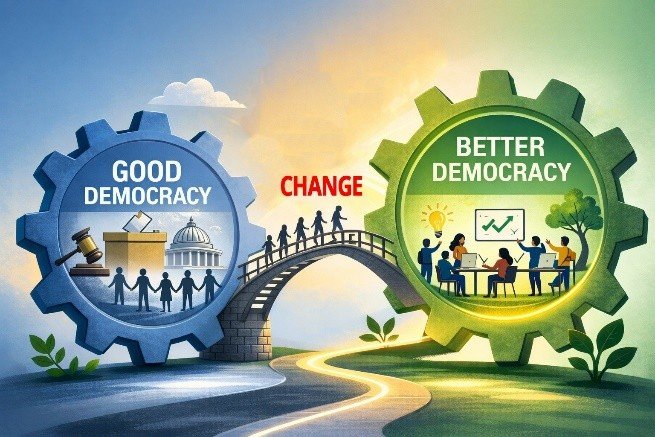
The People Project is the participatory foundation of the Democracy Research Lab. It recognizes that every citizen possesses valuable knowledge gained through lived experience.
The project invites people to:
By connecting people, ideas, and experiences, the People Project transforms individual insights into shared knowledge that can strengthen democracy.
It truly reflects the democratic spirit—by the people, of the people, for the people, and through the people.
| S.NO | GOOD DEMOCRACY | BETTER DEMOCRACY |
|---|---|---|
| 1 | Politics centric democracy | People centric democracy |
| 2 | Conflict society | Egalitarian society |
| 3 | Top down system | Bottom up system |
| 4 | Vicious democracy | Virtuous democracy |
| 5 | System of loud voice | System of right voice |
| 6 | Dysfunctional democracy | Functional democracy |
| 7 | Money driven system | Merit driven system |
| 8 | Unequal playing ground | Equal playing ground |
| 9 | Educated society | Enlightened society |
| 10 | Abstract democracy | Empirical democracy |
| 11 | Deductive democracy | Inductive democracy |
| 12 | A Priori proposition | A posteriori postulation |
| 13 | Indeterminate democracy | Determinate democracy |
| 14 | Questionable system | Answerable system |
| 15 | Injustice system | Justice system |
| 16 | Quarrelling political system | Competing merit system |
| 17 | Receiving system | Giving system |
| 18 | Knowledge system | Wisdom system |
| 19 | The party driven system | The people driven system |
| 20 | Theoretical system | Practical system |
| 21 | Disputable system | Acceptable system |
| 22 | Producer experience centric system | User experience centric system |
| 23 | Uncertain system | Certain system |
| 24 | Presumptive system | Real system |
| 25 | Prescriptive system | Practical system |
| 26 | Conventional system | Logical system |
| 27 | Fixed system | Evolving system |
| 28 | Majority choice | Collective choice |
| 29 | Election system | Selection system |
| 30 | Political parties driven system | Democratic Institutions driven system |
| 31 | Politicians driven system | Professionals driven system |
| 32 | Hero worship system | All heroes system |
| 33 | Captive system | Open system |
| 34 | Appropriated system | Transparent system |
| 35 | Vote for Note system | Vote for Merit system |
| 36 | Authority makes the rule | Wisdom makes the rules |
| 37 | Elections are regret cycle | No regret cycles |
| 38 | Medicine for symptoms | Medicine for disease |
| 39 | Fighting smoke | Fighting fire |
| 40 | Families rule | Institutions rule |
| 41 | Unequal say | Equal say |
| 42 | Indirect say | Direct say |
Please share your Real Experience with Democracy, answer right questions and wise doubts to create better Democracy.
Admin Panel
Every democracy depends upon informed citizens, accountable institutions, and evidence-based decision-making.
Truth is the invisible force that keeps democracy moving in the right direction.

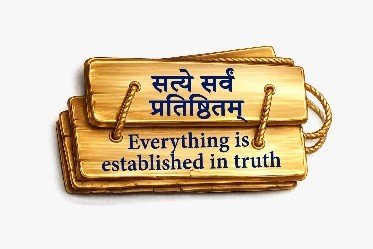

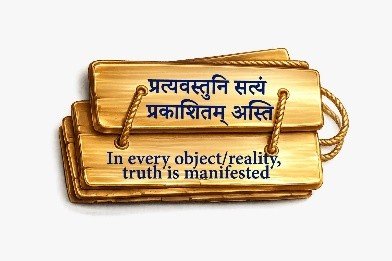
The Democracy Foundation believes that democracy must continuously examine itself through truth audits, public experiences, research, dialogue, and collective intelligence. Only then can it evolve into a people-centric, wisdom-driven, and future-ready system.