
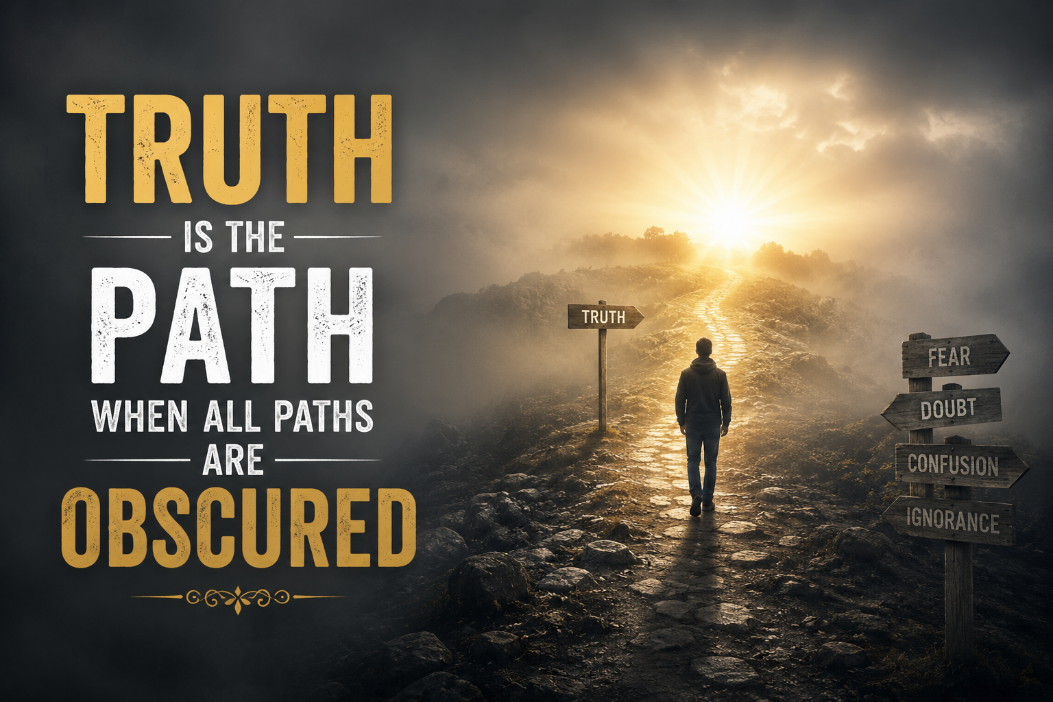
Truth is not merely information. It is the accurate reflection of reality. Every meaningful reform begins when societies are willing to see themselves as they truly are rather than as they wish to appear.
Democracy thrives only when truth is allowed to guide decisions, institutions, and public life. Without truth, democracy gradually becomes driven by perception, power, narratives, and interests rather than by justice and public good.
When truth becomes visible, better ideas become possible.
When better ideas emerge, meaningful change follows.
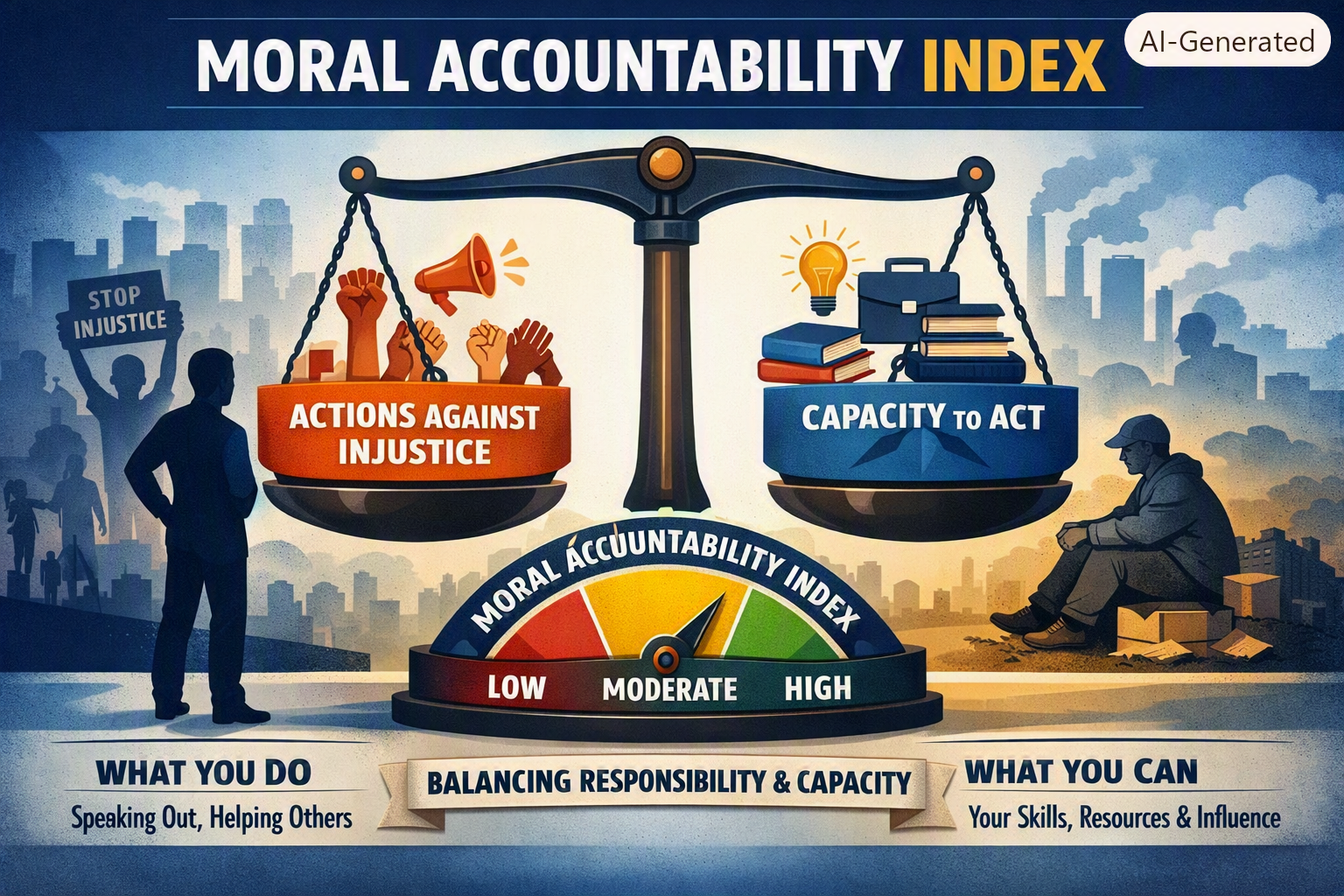
A society flourishes not merely through laws and institutions, but through the moral values that guide the thoughts, decisions, and actions of its people.
The Moral Compass represents the shared principles that inspire individuals and communities to act with integrity, fairness, compassion, and responsibility.
In a healthy democracy, morality is not imposed — it is cultivated through education, dialogue, mutual respect, and a commitment to the common good. It encourages citizens to look beyond personal interests and contribute to a society where justice, truth, and human dignity are upheld.
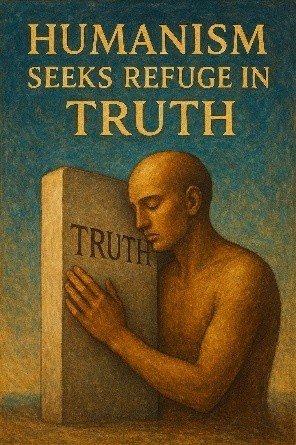
Humanism is the belief that every individual deserves dignity, equality, justice, liberty, and opportunity.
Democracy was created to protect these values. Yet when institutions become dominated by power, money, ideology, identity, or vested interests, society slowly moves away from human welfare.
The Refuge for Humanism is the space where humanity comes before politics. It is where:
This is not merely a research initiative. It is a collective movement to restore democracy to its original purpose: serving human beings.
Truth Reveals. Change Transforms.
Truth and change cannot exist independently.
Truth without action changes nothing.
Change without truth often creates new problems.
They exist as two inseparable sides of the same coin.
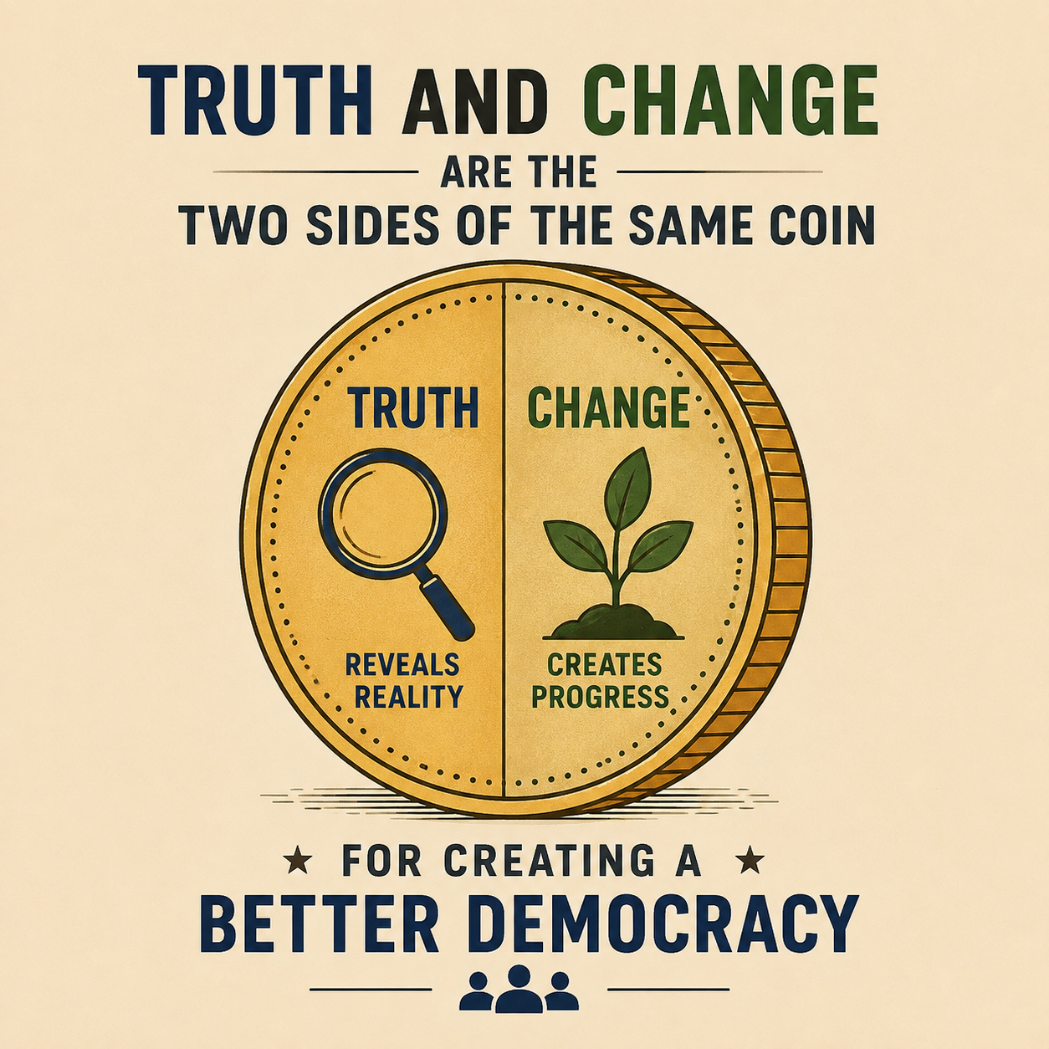
Every transformation begins by discovering reality honestly. Only then can society design reforms that solve root causes rather than temporary symptoms.
Truth discovers the future. Change builds it.
Every democracy is influenced by three powerful forces.
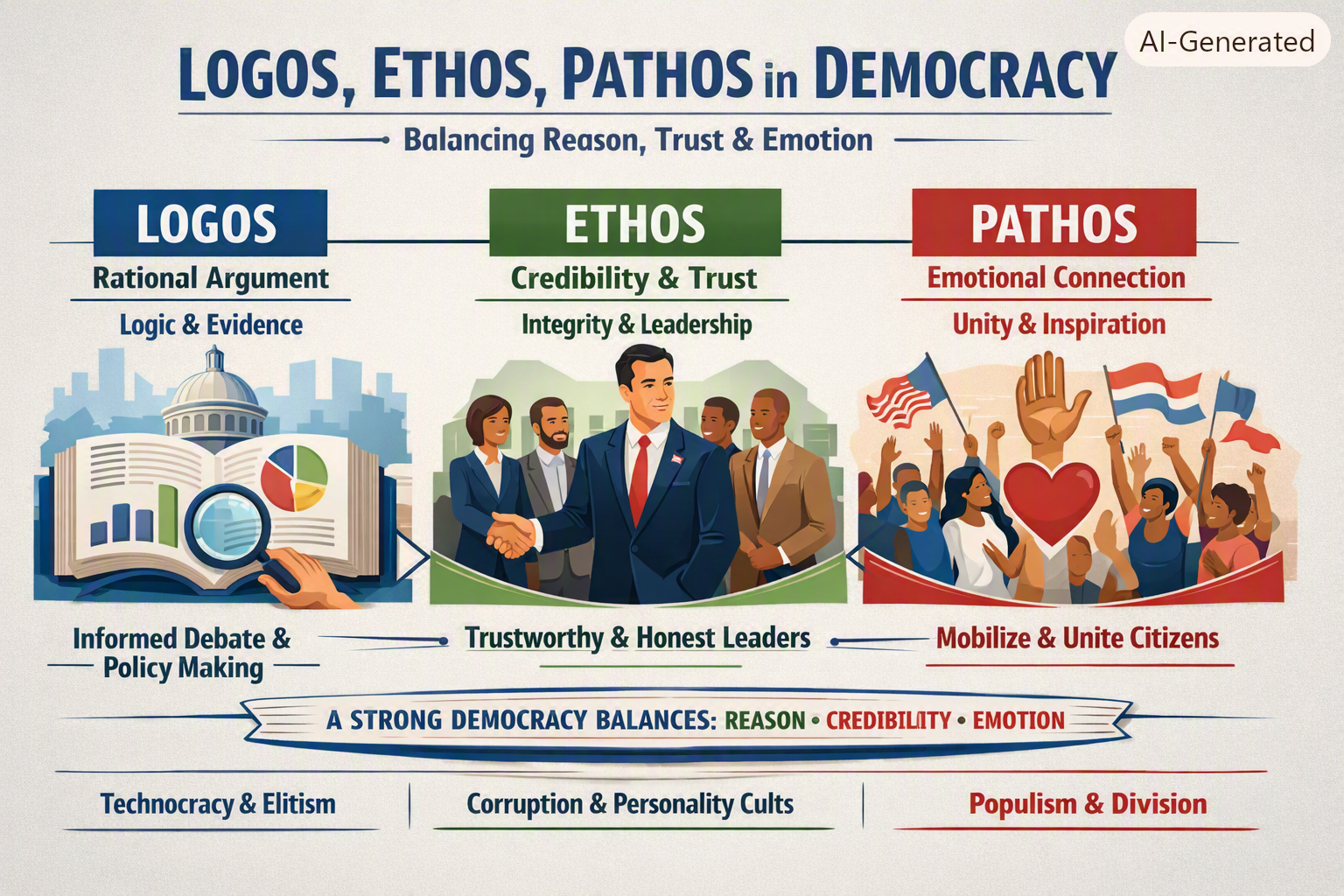
Logos represents facts, evidence, research, and logical thinking.
It asks:
Logos enables evidence-based governance.
Pathos represents emotions, hopes, struggles, aspirations, and lived experiences.
Policies become meaningful only when they improve people's lives.
Human experiences reveal realities that statistics alone cannot.
Ego represents personal interests, identity, authority, power, and recognition.
When ego dominates democracy:
A better democracy exists when:
Reason informs decisions.
Compassion shapes priorities.
Ego serves the public instead of itself.
The future belongs to democracies where Logos leads, Pathos connects, and Ego is accountable.

Every democracy depends upon informed citizens, accountable institutions, and evidence-based decision-making. Truth is the invisible force that keeps democracy moving in the right direction.

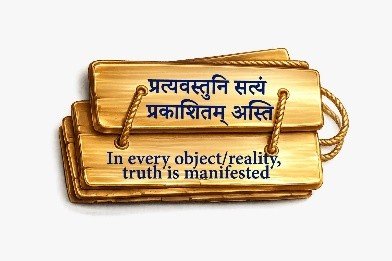
The Democracy Foundation believes that democracy must continuously examine itself through truth audits, public experiences, research, dialogue, and collective intelligence. Only then can it evolve into a people-centric, wisdom-driven, and future-ready system.